
MLB® The Show™ Mobile Baseball
PlayStation Mobile Inc.Sports
3.8414.00 Reviews
- Version
- 1.18.1
- Installs
- 100.00K
- Age Rating
- Everyone
Screenshots
Our Review of MLB® The Show™ Mobile Baseball
 Analysis by Appyee
I went into MLB® The Show™ Mobile Baseball expecting a quick baseball game for spare moments, but its appeal is more specific than that. It is built around the satisfying chain of choosing an action, seeing an immediate result, earning progress, and then deciding whether the next play deserves another try. That rhythm makes it easy to understand within a short session, while the licensed MLB setting gives each decision more personality than a completely fictional sports game.
This is a free sports game from PlayStation Mobile Inc., available for players aged Everyone. The current release is version 1.18.1 and it requires iOS or Android 12. The game has attracted over 100 thousand installs, with an average score of 3.7 from more than 900 ratings and over 400 written reviews. Those numbers suggest a game with a real audience but also a mixed experience, which matches my impression: the core baseball actions are inviting, yet the long-term value depends heavily on how much you enjoy collecting and repeating competitive routines.
How the first play turns into a baseball routine
I find that the easiest way to make a first session useful is to choose one thing to notice, such as how a decision changes the next play, rather than trying to absorb every reward at once. That keeps the opening from feeling like a rush through menus and makes the next visit more intentional. From there, I’d look at the small setup checks that can prevent avoidable frustration.
The opening action is easy to understand
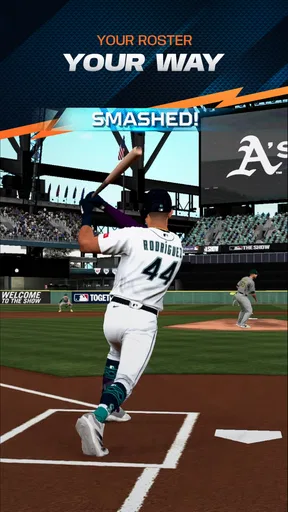
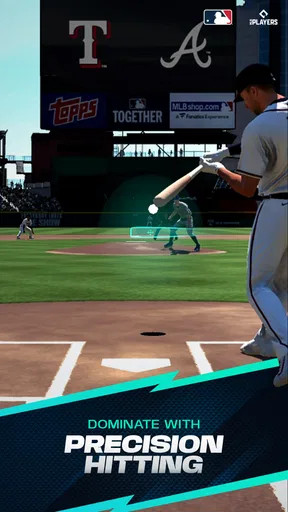
The most important success here is that the first action feels connected to baseball rather than buried under menus. You are not simply watching a simulated match unfold. You are involved in the play, and the result gives you something concrete to react to. A well-timed decision feels different from a poor one, so even a short exchange can carry a little tension.
I like this approach for mobile play because it respects the way people actually use a phone. You might open the game while waiting for a bus, during a short break, or after finishing a longer console session. Instead of requiring a large block of attention before anything interesting happens, it gives you a reason to focus almost immediately. The best moments come when a seemingly ordinary play turns into a chance to change the inning or protect a narrow advantage.
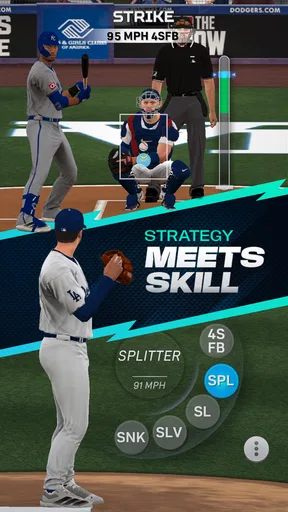
The control design also asks you to pay attention rather than merely tap through a result. That matters because baseball is a sport of timing and anticipation. The game works best when I treat each pitch or play as a small decision, not as background animation. If you prefer a fully hands-off simulation, this is less likely to satisfy you than a management-focused baseball title.
Feedback makes every mistake readable
The action is only worthwhile when the game explains what happened, and this is where the feedback rhythm becomes important. A successful play gives an immediate sense of progress, while a failed attempt encourages me to adjust instead of leaving me unsure whether the problem was timing, selection, or simple bad luck. That clarity is essential on a touchscreen, where imprecise input can otherwise feel unfair.
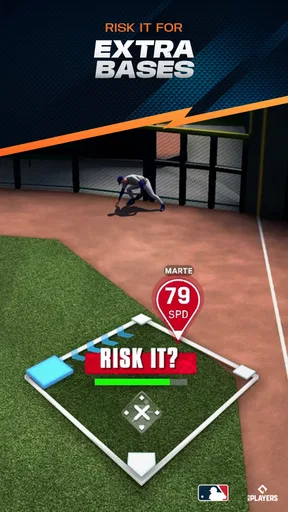
My most useful habit was to stop treating a missed opportunity as a reason to tap faster. When a play goes wrong, I look at the situation and ask what I was trying to do: chase a quick result, protect a lead, or build toward a better opportunity. That small pause changes the game from reflex practice into baseball decision-making. It also prevents the common mobile-game trap of repeating the same action without learning anything.
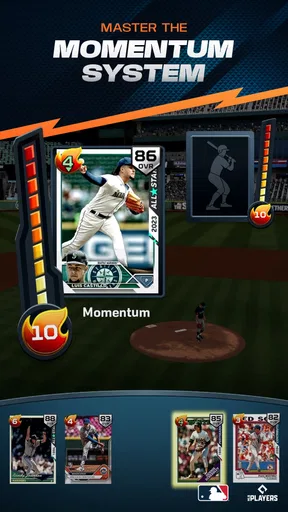
The feedback is especially effective for players who know baseball but do not want a complicated control scheme. You can bring an understanding of counts, momentum, and risk without needing to memorize a large set of commands. At the same time, newcomers can learn by watching how their choices affect the next moment. I would still recommend starting slowly, because rushing through the first sessions makes the game feel more random than it really is.
The reward arrives in more than one form
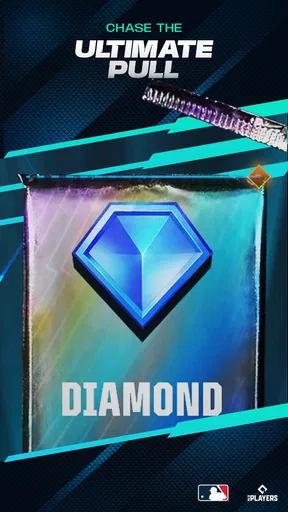
The short-term reward is the result on the field: a hit, an out, a successful defensive moment, or a better position in the contest. That immediate payoff is what makes one more play tempting. The longer-term reward comes from building a collection of MLB players and legends, then using that sense of improvement as a reason to return.
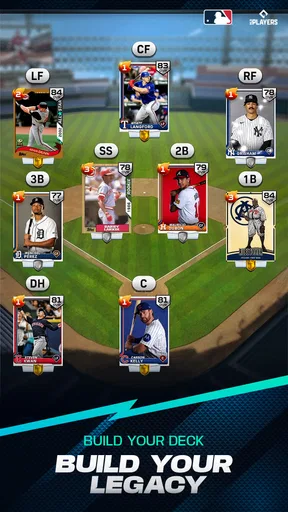
Collecting is not just decoration here. It gives the game a second layer for people who enjoy assembling a preferred roster and comparing the value of one addition against another. A baseball fan may enjoy the feeling of turning a basic lineup into something more personal, while a casual player can focus on the match action and treat collection progress as a bonus.
There is an important trade-off, though. The free entry point makes it easy to try, but in-app purchases range from $0.99 to $99.99 per item. I would approach the collection side with a fixed personal limit rather than chasing every upgrade. The game is more enjoyable when a new player feels like a useful addition to your plan, not like a requirement for every future session. If your main pleasure comes from building an ideal team as quickly as possible, the purchase structure may become more noticeable than the baseball itself.
Why another session begins
After a match or short run of plays, the game creates a natural reset. You see what worked, notice what needs improvement, and return to the collection or the next contest with a slightly different objective. That reset is the real engine of the experience. It is not only “play until you win”; it is “play, learn, improve the group, and try the situation again.”
I found this most useful when I gave each session a narrow goal. One session might be about making safer choices at the plate. Another might focus on testing a newly collected player. A third might simply be a quick attempt during a break. Defining the goal prevents the game from becoming a vague sequence of taps and makes the reset feel earned.
This also explains why the game can be more compelling than a conventional baseball simulator for some players. A traditional simulation may offer deeper team management and longer matches, but it can be demanding on a phone. This title keeps the loop tighter: action, result, reward, and another attempt. The cost is that players looking for a full season structure, extensive tactical control, or a console-sized match experience may find the format limited.
What the collection layer changes
The presence of legends gives the roster-building side a clear emotional hook. It is not merely about raising abstract numbers; it is about creating a team that feels connected to MLB history and your own preferences. That makes the collection layer more engaging than a generic card system, especially if you already have favorite players or eras.
My advice is to decide what kind of collection you want before spending anything. You might prefer a balanced squad, a lineup built around hitting, or a group chosen mainly because you like the players. That decision gives new rewards a purpose. Without it, every new item can look equally attractive, and the game may encourage collecting for its own sake rather than improving how you play.
There is also a practical benefit to separating “favorite” from “best.” A player you enjoy using can make a session more memorable even if another option appears stronger in a particular situation. That keeps the experience personal and reduces the pressure to follow a single ideal path. For me, this is one of the better ways to make the mobile format feel like a baseball hobby instead of a checklist.
Where the loop loses some energy
The same repetition that makes the game convenient can eventually expose its limits. If you want every session to introduce a completely new challenge, the recurring action-and-reward pattern may begin to feel familiar. The game is strongest when you enjoy incremental progress and the small tension of trying again; it is less convincing if you need constant variety or a deep strategic campaign.
The average rating of 3.7 reflects that divided appeal. I can understand why some players would enjoy the accessible MLB presentation and collection goals, while others would want more control or a smoother route to team improvement. A rating like this is not a reason to dismiss the game, but it is a reminder to judge it by the right standard. It is a compact mobile baseball loop, not a replacement for every kind of baseball game.
I also think the free-to-play structure requires a little self-discipline. The purchase range is wide enough that a player who becomes focused on completing a collection could spend far more than intended. The sensible way to approach it is to play first, decide whether the actual on-field actions are enjoyable, and only then consider whether optional purchases add meaningful value. Spending should never be the test of whether the core game is fun.
Who will get the most from it
This game suits MLB fans who want recognizable baseball flavor in a format that can fit around daily life. It is a good match for someone who enjoys short competitive attempts, roster building, and the satisfaction of watching a team gradually take shape. It also works for players who want an approachable introduction to mobile baseball without committing to a long management simulation.
A realistic use case is a commuter who has ten minutes before reaching work. They can make a few plays, review the result, collect progress, and close the game without needing to remember a complicated campaign state. Later, the same player can return with a specific aim, such as trying a different lineup or improving decision-making in a difficult situation. That flexibility is one of the title’s strongest practical qualities.
I would be more cautious recommending it to someone who wants a complete console-style baseball experience on a phone. If your priorities are detailed franchise management, long-form seasons, or extensive tactical control on every pitch, a deeper simulator is likely the better choice. Likewise, players who dislike collection mechanics or any possibility of in-app spending may prefer a paid sports game with a simpler progression model.
How it compares with familiar alternatives
Compared with a traditional baseball simulation, this game places more weight on quick interaction and collection motivation. You lose some of the feeling of managing an entire organization, but you gain sessions that are easier to start and stop. Compared with a purely arcade baseball game, it has a stronger connection to MLB identity through its players and legends, giving the rewards more meaning for fans.
It also differs from a manager-only title because your decisions are tied to the action rather than limited to lineup screens and statistics. That makes success feel more personal. On the other hand, a manager game may offer more satisfying depth for someone who enjoys planning several moves ahead and watching a season develop without needing direct control.
The best alternative depends on what you want from your phone. Choose a deeper simulation if you want breadth and realism. Choose a management game if roster strategy is the main attraction. Choose an arcade title if immediate spectacle matters most. This one sits between those options, using direct baseball moments and a collection loop to keep the next session appealing.
Practical advice before settling in
Give the game several short sessions rather than judging it after one rushed attempt. The first play teaches the basic relationship between input and result, but the real value appears when you begin noticing why a choice succeeded or failed. That is when the reset becomes useful instead of repetitive.
Keep your early collection decisions deliberate. Test how a player fits your preferred style before treating every reward as an automatic upgrade. If you are interested in legends, let that interest guide your priorities, but do not assume that a recognizable name alone will make every match easier or more enjoyable.
Finally, protect the convenience that makes mobile baseball attractive. Play in focused bursts, stop when you are no longer making decisions carefully, and return later with a clear objective. The game rewards attention more than endless tapping. That small habit also helps keep optional purchases in perspective, because you are evaluating the quality of your play rather than chasing a vague feeling of being behind.
My verdict on the repeatable baseball loop
MLB® The Show™ Mobile Baseball succeeds when its compact cycle is exactly what you want: take an action, read the result, earn progress, reset your approach, and try again. The MLB setting and collection of legends give that cycle a recognizable identity, while the free price makes it straightforward to sample. I appreciate that it can fit into a short break without feeling completely disposable.
It is not the right choice for every baseball fan. The collection structure and optional purchases may frustrate players who want a single, fixed-cost experience, and the repeated loop may feel narrow to anyone seeking a full simulation. But for an MLB follower who enjoys quick hands-on plays and gradual roster building, it has a clear reason to exist.
My recommendation is to try it with modest expectations and a personal spending boundary. If the first few sessions make you curious about the next play rather than merely the next reward, the game has probably found its audience in you. If you are waiting for a complete season simulator, a manager’s sandbox, or a purely arcade experience, another baseball game will serve you better. For everyone between those extremes, this is a convenient and recognizable way to keep a little baseball routine close at hand.
Verdict
Strengths of MLB® The Show™ Mobile Baseball
- Authentic MLB teams, players, uniforms, and stadium presentation
- Short matches fit well into quick mobile gaming sessions
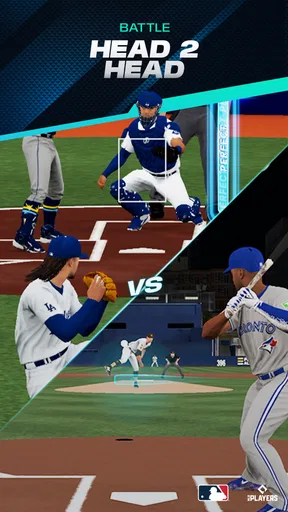
- Multiple modes offer variety beyond standard head-to-head games
- Regular content updates help keep rosters and events feeling fresh
- Touch controls are easy to learn for casual baseball fans
Limitations of MLB® The Show™ Mobile Baseball
- Requires a stable internet connection for most features
- Large downloads and updates may use considerable storage space
- Progress can feel slow without investing time or premium currency
- Some menus and systems may overwhelm newcomers at first
- Performance and battery use vary noticeably across older devices
Other Releases by PlayStation Mobile Inc.
View All
PlayStation App
Entertainment3.5
Similar Picks in This Category
View All
8 Ball Pool
Miniclip.com4.8

Pooking - Billiards City
AIM TOP GAME TECHNOLOGY LIMITED - pool4.6

Carrom Pool: Disc Game
Miniclip.com4.4

EA SPORTS FC Soccer Mobile 26
ELECTRONIC ARTS4.6

World Soccer League
mobirix4.3

Soccer Cup 2026: Football Game
INLOGIC SPORTS - football tennis golf soccer4.3
Frequently Asked Questions
What is MLB® The Show™ Mobile Baseball?
MLB® The Show™ Mobile Baseball is a mobile baseball game designed for fans who want to build a team, collect players, and compete in baseball-focused challenges on a phone or tablet. It typically combines card-collection mechanics with roster management and competitive gameplay. Before downloading, check the current store description because available modes, licensing, supported devices, and features may vary by region and updates.
Is MLB® The Show™ Mobile Baseball free to download and play?
The game may be available as a free download, but players should expect optional in-app purchases. These purchases can include virtual currency, player packs, upgrades, or other progression-related items. It is possible to play without spending money, although progress and team development may take longer. Parents should also review device purchase settings, since competitive collection systems can encourage additional spending.
Does the game require an internet connection?
An internet connection is generally important for MLB® The Show™ Mobile Baseball because features such as account access, live events, updated rosters, online competition, cloud-based progress, and purchases may depend on server communication. Some parts of the experience may load or function differently offline, but users should not assume that the full game is playable without connectivity. A stable connection is recommended.
Can I play MLB® The Show™ Mobile Baseball on my Android or iPhone?
Compatibility depends on the operating system version, device hardware, available storage, and the specific release distributed in your country. Baseball games with detailed graphics and online systems may perform poorly on older phones, even when installation is technically allowed. Before downloading, review the official Google Play or App Store listing for supported devices, required storage, permissions, and the latest compatibility information.
Does MLB® The Show™ Mobile Baseball include real MLB teams and players?
The title is associated with Major League Baseball branding, but the exact teams, players, uniforms, statistics, and licensed content available in the mobile version can depend on the current agreement, season update, and region. Rosters may also change over time through live content. Players interested in specific athletes or teams should verify the latest official listing rather than relying only on older screenshots or reviews.
Play our best games!


